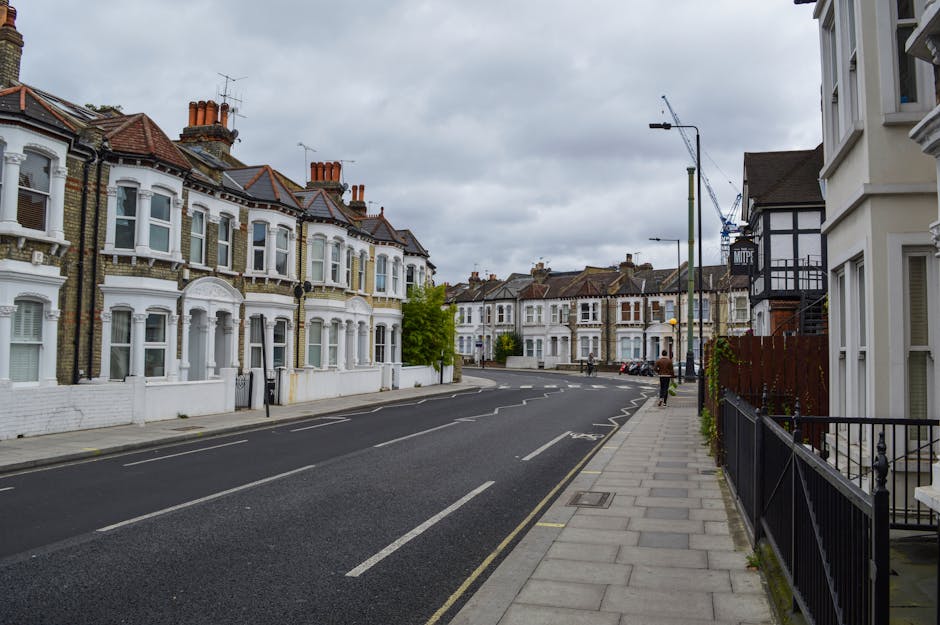
West Norwood SE27 removals tips for narrow street access
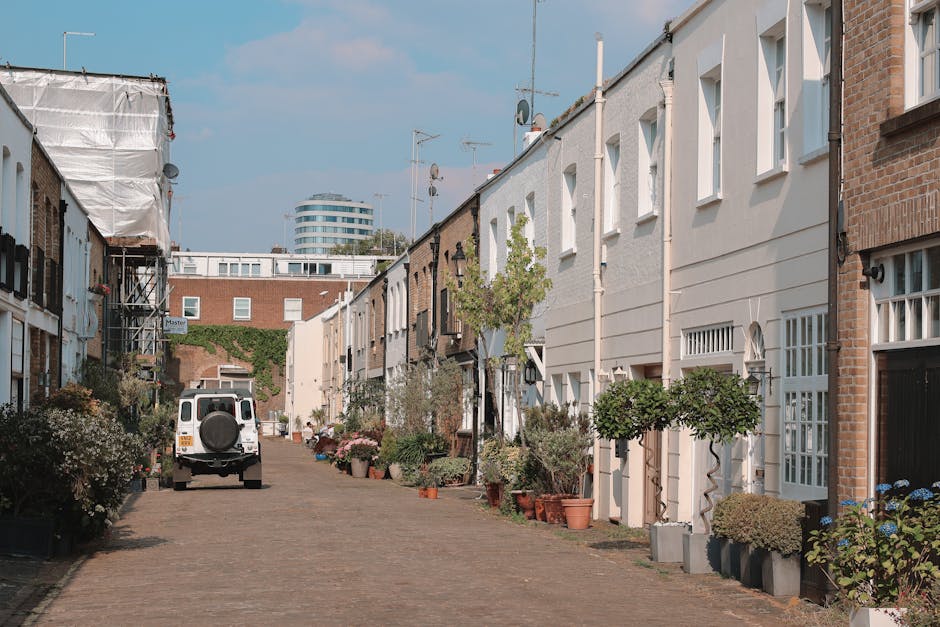
If you are moving in West Norwood, you will quickly notice that narrow streets can turn an ordinary removal into a careful little puzzle. Vans need room to stop, neighbours still need access, and one awkward turn can slow the whole day down. These West Norwood SE27 removals tips for narrow street access are here to help you plan properly, avoid unnecessary stress, and keep the move moving. A bit of preparation goes a long way, honestly. It can be the difference between a smooth handover and a morning full of blocked driveways, shuffling boxes, and everybody asking, "Can the van get any closer?"
In this guide, you will find practical advice on planning access, choosing the right vehicle, protecting your furniture, and working around the realities of tight SE27 roads. We will also cover common mistakes, useful equipment, safety basics, and a realistic step-by-step approach you can use whether you are moving a flat, a house, or a small office.
Why West Norwood SE27 removals tips for narrow street access Matters
West Norwood has plenty of residential streets where access can be tighter than people expect. Terraced houses, parked cars, corners with limited turning space, and the usual London squeeze all add up. On paper, a move may look straightforward. In real life, it may involve a van that cannot sit exactly outside the door, a staircase that feels a bit too snug, or a loading point that has to be shared with other traffic.
That matters because access affects almost everything: how long loading takes, how many trips are needed, whether larger furniture fits safely, and how much lifting the team has to do by hand. It also affects neighbour relations. If a van blocks the road too long, even for a good reason, you may end up dealing with complaints or tension before the kettle is unpacked. Nobody wants that on moving day.
There is another angle too. Narrow access increases the risk of scrapes to doors, walls, gates, and furniture. Even if everyone is careful, fewer inches mean less margin for error. That is why clear planning and the right moving method matter so much. If your move involves a flat, awkward furniture, or business equipment, it is worth looking at services like flat removals, home moves, or even office removals depending on the type of property you are leaving.
Expert summary: With narrow street access, the best removal strategy is rarely the biggest van or the fastest load. It is the one that matches the street, the property, and the actual walking route from door to vehicle.
How West Norwood SE27 removals tips for narrow street access Works
A narrow-street move works best when you plan it backwards from the road, not forwards from the living room. That sounds slightly odd, but it makes sense. First, work out where the vehicle can legally and safely stop. Then consider how far items must be carried. After that, decide whether the move can be done with one vehicle, a smaller van, or a shuttle arrangement with more than one run.
In practice, a removal team will usually look at three things:
- Vehicle access - can a van reach the property, turn safely, and load without causing a blockage?
- Carrying distance - how far is the walk from the front door to the vehicle?
- Item shape and weight - can bulky pieces get through the doorway, hallway, stairwell, and pavement without damage?
That is why a detailed access check is so useful. A quick photo of the street, the front door, and any tight corners can save a lot of time later. If you are unsure what size of vehicle is sensible, a smaller option such as a removal van or man with van style service can sometimes be a better fit than a larger vehicle. Bigger is not always better. Sometimes it is just bigger, and more awkward.
Some moves also benefit from extra packing support. Tight access and fragile furniture are not the best combination, so services like packing and boxes or packing and unpacking services can make the actual move faster and less stressful.
Key Benefits and Practical Advantages
Getting narrow-street access right does more than save time. It improves the whole move from start to finish. Here are the main benefits.
- Less risk of delays - you spend less time waiting for parking, opening gates, or re-positioning the van.
- Reduced lifting strain - the closer the vehicle can safely get, the less carrying is needed.
- Better protection for belongings - fewer awkward turns means fewer bumps, knocks, and slips.
- Lower stress on moving day - everyone knows the plan, so the job feels calmer.
- More predictable costs - efficient loading usually keeps labour time under better control.
There is a quieter benefit too: it keeps the mood civil. In a narrow street, you are often moving in close proximity to neighbours, pedestrians, and perhaps a school run or two. A tidy, well-managed move tends to create far less friction. That is good for everyone.
If your move involves furniture that needs special handling, or you are getting rid of items before the house handover, it can be worth exploring furniture removals and furniture pick up. For people who need flexibility, same day removals can help in urgent situations, though access planning still matters just as much.
Who This Is For and When It Makes Sense
These tips are for anyone moving in West Norwood SE27 where the street is tight, the parking is limited, or the property sits on a road with awkward access. That includes:
- people moving from terraced houses or converted flats
- tenants and landlords arranging end-of-tenancy removals
- students with limited belongings but limited space too
- small businesses relocating office furniture or equipment
- families with larger items such as sofas, wardrobes, or pianos
It also makes sense if you are moving at a busy time of day, if the street regularly fills with parked cars, or if the property has a narrow hallway or steep stairs. In those cases, even a simple move can benefit from professional planning. A local team familiar with London access issues will usually know when a compact vehicle is better, when a second pair of hands is needed, and when it is smarter to split the job into phases.
For example, a student moving out of a top-floor flat may only have a few boxes and a desk, but if the road is tight and parking is scarce, the move can still be fiddly. That is where student removals can be useful. Likewise, if the move is for a shop, studio, or office space, commercial moves are often a better match than a general one-size-fits-all approach.
Step-by-Step Guidance
Here is a practical way to approach a narrow street removal in West Norwood without overcomplicating it.
- Check the street from the van's point of view. Walk outside and imagine where a vehicle could stop without blocking driveways, bends, or junctions. If you have to squint and guess, the access probably needs a better plan.
- Measure the awkward bits. Door widths, hallways, stair landings, and tight turns matter more than people realise. A wardrobe that fits in the van is useless if it cannot get round the corner in the stairwell.
- List the bulkiest items first. Sofas, bed frames, wardrobes, white goods, desks, and pianos should shape the plan. Do not leave the biggest item for the end of the day.
- Decide on the right vehicle size. A smaller van may be the safer choice if the road is narrow or parking is constrained. If in doubt, keep the load accessible rather than oversized.
- Pack with carry distance in mind. Use strong boxes, secure lids, and sensible weight distribution. Heavy items in oversized boxes are a classic mistake. Not glamorous, but true.
- Protect both property and goods. Door frames, banisters, and floors should be covered where needed. Furniture blankets, straps, and trolleys help keep everything under control.
- Time the move carefully. Early starts can be useful when streets are quieter. Mid-morning can work well too, depending on local traffic and parking patterns.
- Build in a buffer. Narrow access almost always takes longer than people expect. A little extra time is just sensible, not pessimistic.
If your move is mostly boxes and lighter furniture, a service such as man and van may be enough. If you have larger items or a full household move, then a more structured removals service is usually easier to manage.
Expert Tips for Better Results
Once the basics are covered, a few small choices can make a surprisingly big difference. In our experience, the move usually becomes easier when people think like the street, not just the house.
- Use one staging area inside the property. Keep all packed items in one room close to the exit so the crew is not zig-zagging through the house.
- Pre-disassemble larger furniture where possible. Bed frames, table legs, and modular shelving often move better in sections.
- Label boxes by room and priority. It sounds basic. It is basic. And it works.
- Avoid overfilling boxes. Narrow access means more lifting and turning. Heavy, overpacked boxes become a real problem very quickly.
- Keep a clear route from front door to vehicle. Shoes, bins, prams, and loose clutter in the hallway slow everyone down.
- Tell the removal team about any awkward neighbours' parking patterns. A van that can only stop for ten minutes at a time is very different from a street with consistent space.
Here is a simple truth: the best narrow-street moves are rarely dramatic. They are tidy, calm, and almost boring. That is a compliment, by the way.
If you are storing some belongings temporarily because access on the day is limited or your completion times do not line up neatly, storage can give you breathing room. That small buffer often reduces pressure massively.
Common Mistakes to Avoid
Most access problems are preventable. The trouble is, people tend to underestimate them until the van arrives and the road suddenly feels half as wide as they remembered.
- Assuming the van will park right outside. In narrow streets, that is not always realistic.
- Booking a vehicle that is too large. A bigger van can create more stress, not less.
- Ignoring loading restrictions or neighbours' access needs. Even temporary disruption can become an issue.
- Not checking internal tight spots. It is easy to focus on the road and forget the staircase or hallway.
- Leaving packing until the last minute. Rushed packing tends to produce awkward boxes and fragile mistakes.
- Forgetting about wet weather. A rainy West Norwood morning can turn a short carry into a slippery one, and nobody likes damp box bottoms.
A slightly less obvious mistake is failing to communicate. If there is a locked gate, a resident permit issue, or a tricky corner that only one person in the household knows about, say it early. The job is much easier when the moving team is not discovering things in real time.
Tools, Resources and Recommendations
You do not need a truckload of specialist kit to manage a narrow-street move, but the right basics help a lot.
| Item | Why it helps | Best use in a narrow street move |
|---|---|---|
| Furniture blankets | Protects wood, corners, and painted finishes | Useful for wardrobes, tables, mirrors, and sideboards |
| Straps | Keeps items stable in the vehicle | Helps reduce movement on tight turns and braking |
| Trolley or sack truck | Takes strain off lifting | Good when the vehicle must park a little further away |
| Strong tape and labels | Speeds up loading and room placement | Especially useful when the team must move quickly between trips |
| Floor protection | Helps prevent scuffs and dirt transfer | Useful if the route includes old flooring, steps, or shared hallways |
As for services, the right choice depends on the size of your move and the access conditions. Some people only need a compact vehicle and extra lifting support, which is where man with van or removal van options can work well. Others need a fuller team and vehicle setup, especially if there are stairs, bulky furniture, or business equipment. For that, a broader removal services approach can be more sensible.
Law, Compliance, Standards, or Best Practice
For a home or office move in West Norwood, the main compliance concerns are usually practical rather than technical. You want to avoid obstructing traffic, respect neighbours' access, handle goods safely, and make sure the moving team works in a way that reduces risk.
Good practice normally includes:
- parking only where it is lawful and safe to do so
- keeping access routes clear for residents and emergency access where possible
- using safe lifting methods and suitable equipment for heavy items
- protecting floors, walls, doors, and staircases during the move
- checking insurance and liability arrangements before the move begins
If you are choosing a removal provider, it is worth checking how they approach safety, claims, and care of possessions. A trustworthy company should be able to explain its process plainly. Pages such as health and safety policy and insurance and safety are useful signs that the business takes those responsibilities seriously. If you want to understand how costs are presented, pricing and quotes can also help set expectations in a straightforward way.
One point worth keeping in mind: this is not legal advice, and local parking or access arrangements can vary. If a street is especially restrictive, the sensible move is to ask questions early rather than guess.
Options, Methods, or Comparison Table
Different moving setups suit different access conditions. Here is a simple comparison that may help you decide what fits your situation best.
| Method | Best for | Strengths | Watch-outs |
|---|---|---|---|
| Small van / compact removal vehicle | Very narrow roads, lighter loads, short carries | Easier to park and manoeuvre | May need more trips if the load is large |
| Man and van | Medium-sized household or student moves | Flexible, practical, often quicker to organise | May be less suitable for heavy or complex moves |
| Full removals team | Large homes, awkward furniture, office relocations | More hands for lifting and carrying | Requires more planning and can be overkill for small loads |
| Storage-first approach | Completion delays, access issues, staged moves | Reduces pressure and timing risk | Adds an extra handling stage |
If your move is mostly furniture-heavy, options like house removals or house removalists may be more suitable. If it is a flat move with awkward stairs and tight frontage, flat removals may be the better fit. Different labels, same idea: match the method to the access.
Case Study or Real-World Example
Picture a typical West Norwood move on a slightly grey Friday morning. Nothing dramatic, just one of those London days where the pavement is damp, the street is already half full, and everyone seems to be heading out at once. The property is a two-bedroom flat on a narrow residential road with parked cars on both sides.
The moving team arrives and cannot stop directly outside the entrance, so they park a short walk away where it is safe and legal. That means the plan shifts from "lift straight out" to "carry in stages." The boxes have already been labelled, the sofa legs have been removed, and the hallway is clear. Not perfect conditions, but workable.
Because the client had warned the team about the narrow stair landing, the bulky wardrobe was dismantled the day before. That saved time, protected the wall corners, and avoided that slightly horrible moment when everybody has to tilt the item at a very strange angle and hope for the best. The whole job took longer than a wide-driveway move would have, naturally, but it stayed organised. No panicking, no damage, no drama. That is usually the win.
In a similar scenario, an office move with tight access may need extra coordination around desks, printers, and archive boxes. A provider with office relocation services experience will usually plan the carry route more carefully and think about equipment protection from the start.
Practical Checklist
Use this checklist the day before your move. It is simple, but it catches a lot of headaches before they start.
- Confirm the vehicle size is suitable for the street
- Check where the van can stop safely and legally
- Measure any tight doorways, stair turns, or hallway corners
- Disassemble bulky furniture where possible
- Label all boxes by room and priority
- Keep the entrance path clear inside the property
- Protect floors, banisters, and walls if needed
- Set aside essentials for the first night
- Tell the removal team about access issues in advance
- Plan for rain, traffic, and a bit of extra time
Quick takeaway: If a narrow street is involved, preparation matters more than speed. Slow the plan down on paper so the actual move can run faster in real life.
If you are comparing providers, look beyond the headline price and ask how they handle access, stairs, fragile items, and timing. The cheapest quote is not always the best value if the team has to improvise all day.
Get a free quote today and see how much you can save.
Conclusion
West Norwood SE27 removals are manageable even when the streets are tight, but the move works best when you plan for the road as carefully as you plan for the rooms. Narrow access is not a deal-breaker. It is just a condition to work with. Once you accept that, the whole process becomes much easier to organise.
Focus on vehicle size, carry distance, packing quality, timing, and clear communication. Keep the route tidy, protect the property, and choose the removal method that fits the street rather than forcing the street to fit the move. That mindset saves effort, money, and a fair bit of stress.
And if the day feels a little messy anyway? That is normal. Most moves are a bit imperfect in the middle. What matters is that they finish well, with your things safe and your shoulders not completely ruined.
Frequently Asked Questions
What is the best removal vehicle for a narrow street in West Norwood?
Usually a smaller van or compact removal vehicle is easier to manage on a tight road because it is simpler to park, turn, and load safely. The right choice depends on the size of the property, the amount of furniture, and how far the vehicle may need to stop from the front door.
How do I know if my street is too narrow for a removals van?
If parked cars, tight bends, or limited turning space make it hard to imagine a van stopping without blocking access, the street may be a poor fit for a larger vehicle. A quick walk outside with measurements and photos usually gives you a much clearer answer.
Should I book a man and van or a full removals service?
It depends on the load and the access. A man and van setup can be ideal for smaller moves, student belongings, or lighter furniture. A full removals service is usually better if you have a full household, awkward furniture, stairs, or a move that needs more lifting support.
Do narrow streets make removals more expensive?
They can, mainly because access issues often mean more carrying, more time, or a smaller vehicle with extra trips. That said, pricing varies widely, so it is best to ask for a clear quote based on the actual property and not just the postcode.
What should I tell the removals team before moving day?
Tell them about parking restrictions, narrow entrances, stairs, awkward furniture, basement access, lift availability, and anything else that could slow the move. The more practical detail you give, the easier it is for them to plan properly.
How can I protect furniture in a tight move?
Use blankets, straps, and proper packing materials, and disassemble items where sensible. It also helps to keep hallways clear and protect door frames or floors if the route is particularly tight.
What if the van cannot park directly outside my property?
That is common in narrow SE27 streets. A good plan will allow for a short carry from the vehicle to the door. The key is to know that in advance, pack accordingly, and avoid heavy boxes that become awkward over a longer distance.
Can I move on the same day if access is difficult?
Sometimes, yes, especially for smaller loads or urgent situations. But same-day moves can feel tighter on time, so access problems need to be communicated early. It is one of those things where a quick call can save a lot of scrambling later.
Are flat removals different from house removals in narrow streets?
Yes, often. Flats may involve stairwells, shared entrances, or tighter internal layouts, while houses may have more direct door access but larger furniture. Either way, the street and building access need to be checked together.
What's the best way to prepare boxes for a narrow-street move?
Use strong boxes, keep them a sensible weight, and label them clearly by room. If the vehicle is parked a little further away, lighter and well-balanced boxes are much easier to carry safely than overpacked ones.
Is storage useful if my move has access problems?
Yes, it can be very useful if you need to stage the move, wait for keys, or split the load into two parts. Storage takes some of the pressure off the day and can make narrow-access moves much easier to manage.
How far in advance should I plan a West Norwood narrow-street move?
The earlier the better, especially if parking is tight or the property has awkward access. Even a little lead time helps you choose the right vehicle, pack properly, and avoid rushed decisions. A calm plan usually beats a frantic one.
Where can I learn more about booking and safety details?
It is sensible to review the company's terms and conditions, payment and security, and service information before booking. That way you know what to expect, and there are fewer surprises on the day.